BWTF x SIPS: A Collaborative Effort to Understand Bacteria in the Saanich Inlet
The Saanich Inlet is a vital ecosystem for Southern Vancouver Island—and protecting its water quality takes collaboration, science, and community action.
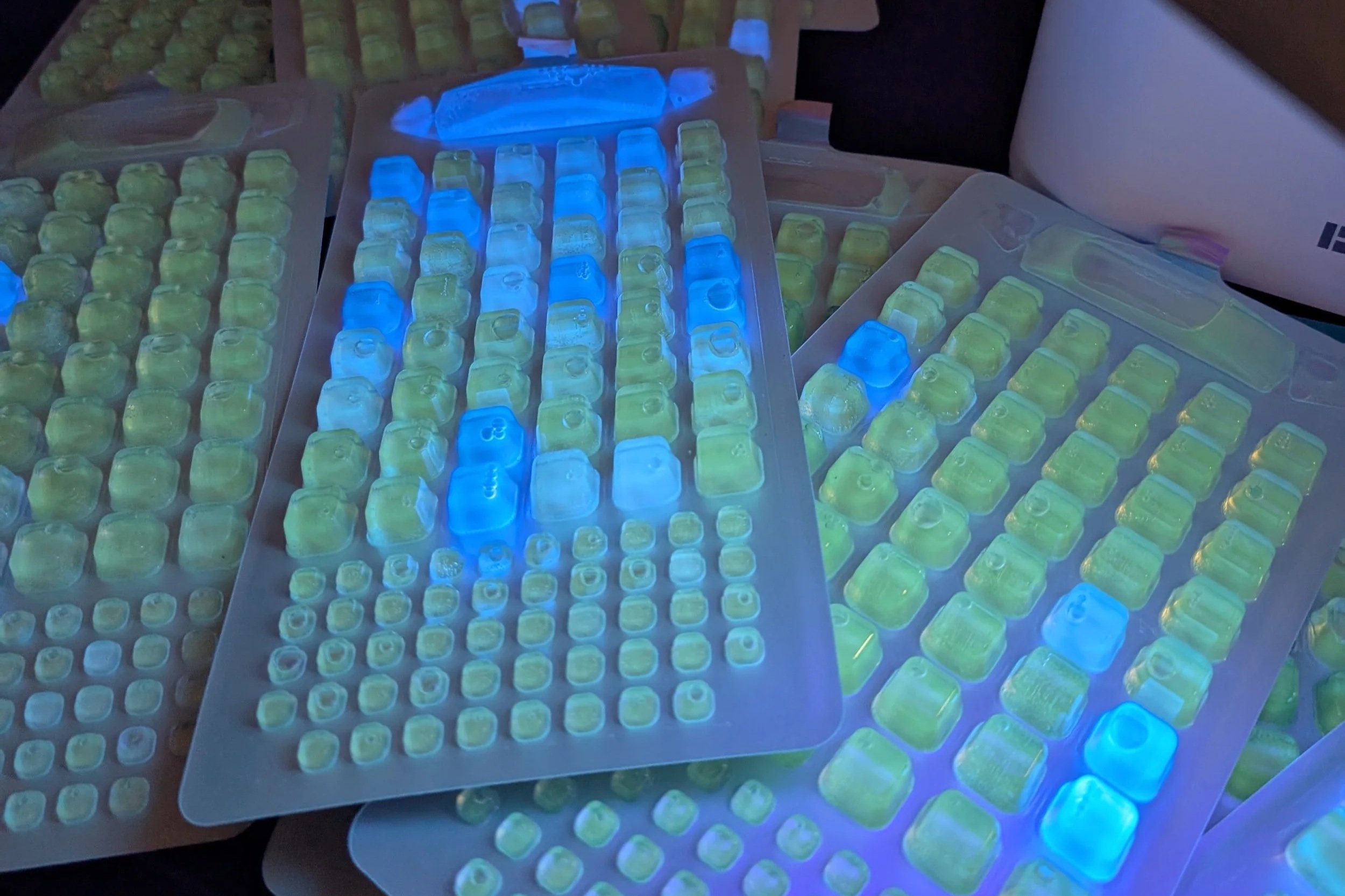
Testing samples showing elevated bacteria levels.
Written by Lynn Wharram
The Saanich Inlet Protection Society (SIPS) and Surfrider Foundation Canada – South Vancouver Island Chapter have teamed up through Surfrider’s Blue Water Task Force (BWTF) to investigate ongoing bacterial contamination in the inlet. This partnership aims to understand better where bacteria enter the water and how it can be addressed.
Why This Matters
Over the years, Capital Regional District (CRD) monitoring has consistently shown elevated bacteria levels in parts of the Saanich Inlet. These results point to ongoing issues that affect marine life, recreation, and public health—and highlight the need for more targeted, source-based testing.
The First Round of Testing
On January 4, 2026, volunteers with SIPS collected 12 water samples from locations around the inlet, including:
Storm drains
Known problem areas
Key shoreline locations
These samples were then analyzed by the BWTF team, led by Lynn and Ben, using standardized water quality testing methods.
What the Results Showed
The test results varied widely:
Some samples showed no detectable bacteria (<10 MPN per 100 mL)
Other samples showed elevated levels, with readings as high as 233 MPN per 100 mL, which exceeds Health Canada recreational water quality guidelines
(MPN, or Most Probable Number, is a standard measurement used to estimate bacteria levels in water.)
What’s Next?
This initial testing phase is just the beginning. Further sampling and analysis will help:
Pinpoint the exact sources of bacterial contamination
Determine whether bacteria is coming from human sources or non-human sources such as wildlife, ponds, or runoff
Provide data that can support long-term solutions and advocacy
By narrowing down the origin of the contamination, BWTF and SIPS can better inform next steps and potential corrective actions.
Get Involved
Community science is at the heart of this work. If you’re interested in volunteering with the Blue Water Task Force or assisting with this project, we’d love to hear from you.
📧 Email: bwtf@svi.surfrider.ca
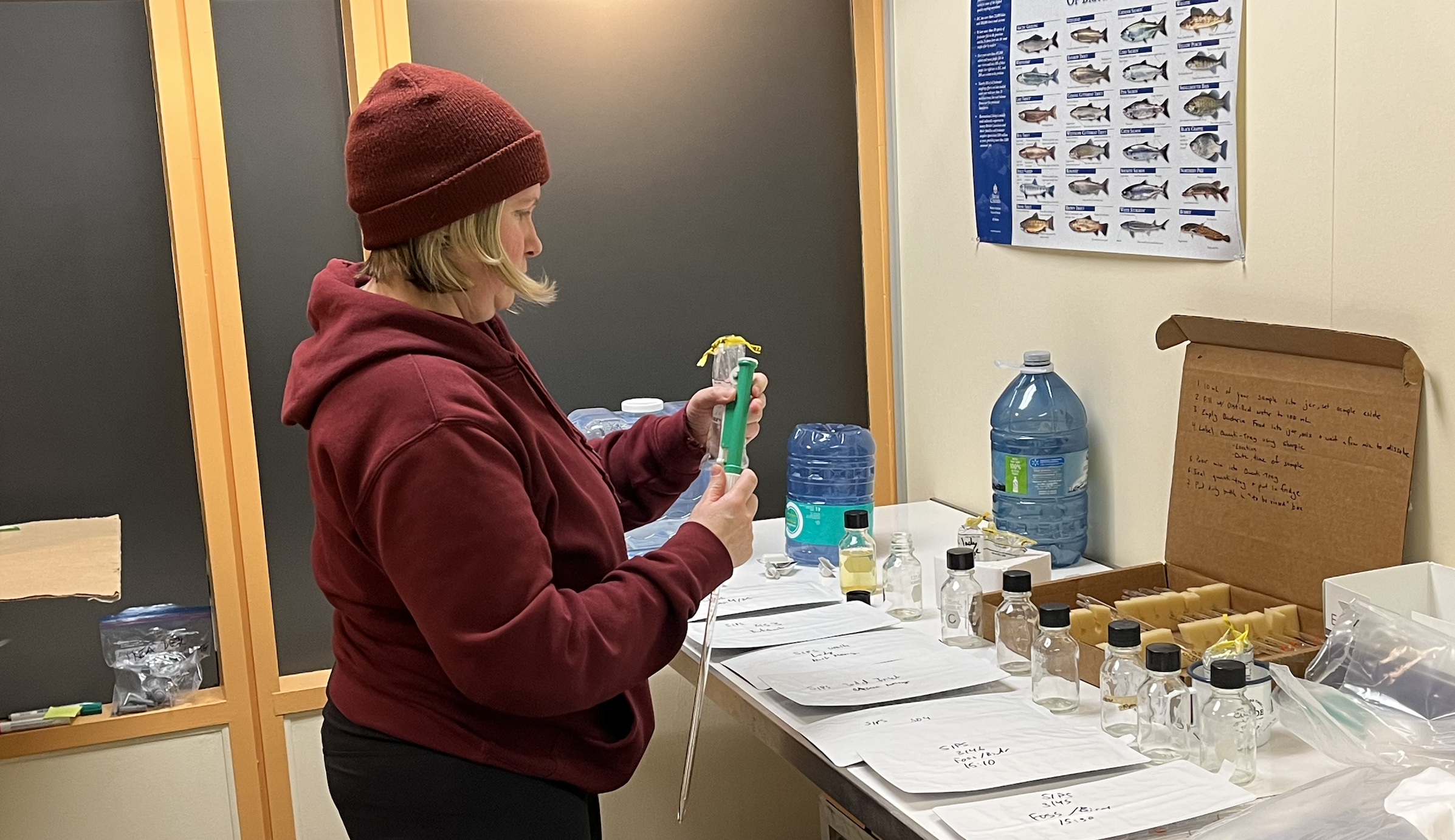
The Blue Water Task Force’s Lynn Wharram testing the results of collected samples.
This partnership highlights how local organizations can work together—combining on-the-ground knowledge with community science—to better understand complex water quality issues.